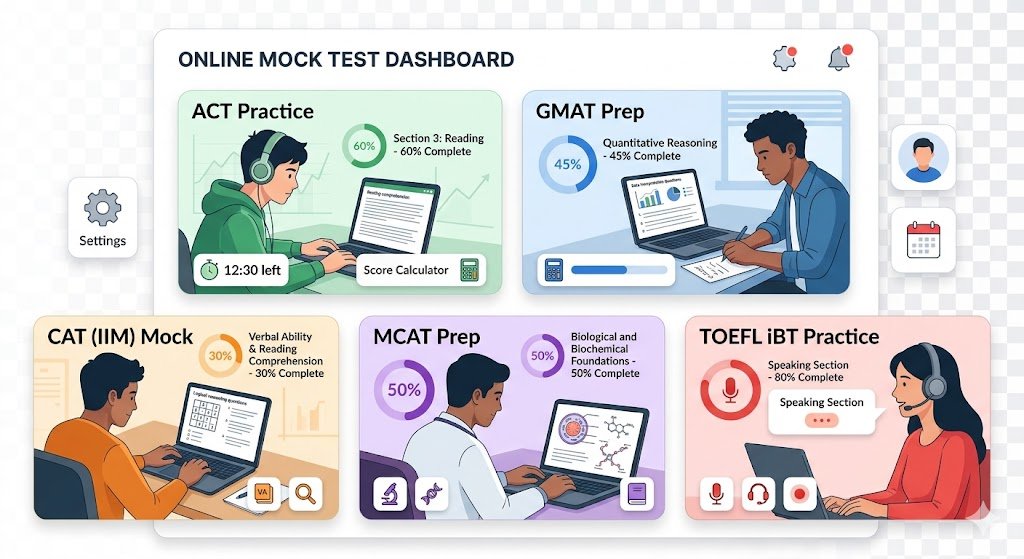

Starting a New Online Mocktest Platform
The education industry is rapidly transforming through technology, and one of the fastest-growing segments is online assessment and mock testing platforms. From competitive exam preparation to professional certifications, students and learners now prefer digital learning systems that offer flexibility, speed, and personalized experiences. Starting a new online mocktest platform today can become a highly profitable and scalable business opportunity if planned strategically.
Why Online Mocktest Platforms Are Growing
The demand for online mocktest platforms has increased significantly over the last few years. Students preparing for exams such as government jobs, engineering entrances, medical tests, banking exams, language certifications, and skill-based assessments need practice systems that simulate real exam environments.
Traditional coaching centers are no longer the only solution. Learners now expect:
Online accessibility
Instant result generation
Performance analytics
Mobile-friendly testing
AI-based recommendations
Affordable subscription models
This shift has opened massive opportunities for startups and entrepreneurs to build modern examination ecosystems.
Understanding the Core Business Model
Before launching a mocktest platform, it is important to understand the business structure behind it. A successful platform usually operates using one or more monetization models:
1. Subscription-Based Model
Users pay monthly or yearly fees for unlimited access to test series, practice papers, and performance tracking.
2. Course + Mocktest Bundle
Many platforms combine video courses with mock examinations to increase customer retention.
3. Pay-Per-Test Model
Students purchase individual premium mock tests for specific examinations.
4. White Label Mocktest Software
This is one of the fastest-growing segments. Coaching institutes purchase or rent the platform under their own brand name.
5. Corporate Skill Assessment
Companies use assessment systems for employee recruitment and internal training evaluations.
Choosing the correct model depends on your target audience and business goals.
Selecting the Right Target Audience
A common mistake many startups make is targeting every student category at once. Instead, begin with a niche market.
Some profitable niches include:
Government exam preparation
Banking and SSC exams
Engineering entrance preparation
School-level competitive tests
Coding assessments
Language learning certifications
Corporate hiring tests
Professional certification practice
Starting with a focused niche allows better branding, lower operational complexity, and stronger market positioning.
Essential Features for a Modern Mocktest Platform
A successful platform requires more than just uploading questions. User experience and system performance play major roles.
User Authentication System
The platform should include secure signup, login, password recovery, and social login options.
Test Management Dashboard
Admins must be able to create tests, categories, subjects, and question banks efficiently.
Timed Mock Examinations
Students expect real exam simulations with timers, auto-submit features, and navigation control.
Performance Analytics
Detailed analysis improves user engagement. Include:
Accuracy percentage
Time spent per question
Subject-wise performance
Rank comparison
Progress graphs
Payment Gateway Integration
Integrate reliable systems such as Razorpay, Stripe, or PayPal for secure transactions.
Mobile Responsive Design
Most students access educational platforms through smartphones. A responsive design is essential.
AI-Based Recommendations
Modern platforms increasingly use AI to suggest weak areas and recommended practice sets.
Multi-Language Support
Regional language support can significantly increase audience reach in countries like India.
Technology Stack Selection
Choosing the correct technology foundation is critical for scalability and long-term maintenance.
Frontend Technologies
HTML5
CSS3
JavaScript
React or Vue.js
Backend Technologies
PHP
Laravel Framework
Node.js
Python Django
Database Options
MySQL
PostgreSQL
MongoDB
Hosting Infrastructure
Cloud hosting providers like AWS, DigitalOcean, or Google Cloud are preferred for scalability.
For startups with limited budgets, beginning with PHP and MySQL is often cost-effective and easier to maintain.
Importance of Security
Educational platforms store sensitive student data and payment information. Security should never be ignored.
Key security measures include:
SSL certificates
Encrypted passwords
Firewall protection
Anti-cheating mechanisms
Session management
IP monitoring
Backup systems
Secure API authentication
A strong security structure builds trust and prevents data breaches.
Content Is the Real Asset
Technology alone cannot guarantee success. The quality of questions and learning materials defines long-term user retention.
Focus on:
Professionally curated question banks
Updated syllabus coverage
Real exam patterns
Expert explanations
Difficulty balancing
Regular content updates help maintain platform credibility.
Marketing Strategies for Growth
Even the best platform can fail without proper marketing. A strong digital marketing strategy is essential.
SEO and Blogging
Publishing educational blogs helps generate organic traffic from search engines.
YouTube Marketing
Educational tutorials and exam strategy videos attract large student audiences.
Telegram and WhatsApp Communities
Many education startups build active student communities for engagement and promotions.
Affiliate Programs
Coaching institutes and influencers can promote the platform for commission-based earnings.
Social Media Advertising
Facebook, Instagram, LinkedIn, and YouTube ads help scale user acquisition quickly.
Free Mock Tests
Offering free tests initially increases trust and attracts registrations.
Challenges You May Face
Starting a mocktest platform also comes with operational and technical challenges.
High Competition
The EdTech sector is highly competitive. Differentiation is important.
Server Load Management
Exam periods can create sudden traffic spikes. Infrastructure optimization becomes critical.
Student Retention
Users often leave after exam completion. Continuous engagement strategies are necessary.
Content Maintenance
Syllabus and exam patterns frequently change, requiring regular updates.
Payment and Refund Management
Handling subscriptions and customer support efficiently is essential for reputation.
Understanding these challenges early helps build stronger operational systems.
Future Opportunities in the Industry
The future of online assessment systems looks highly promising. Emerging technologies are creating new opportunities such as:
AI-powered adaptive testing
Voice-based examinations
Gamified learning systems
Blockchain certification validation
Remote proctoring technology
VR-based examination environments
Platforms that innovate early can gain strong competitive advantages.

Final Thoughts
Starting a new online mocktest platform is not just about creating software. It is about building a complete digital learning ecosystem that helps students improve performance and achieve career goals.
The industry continues to expand because education is becoming increasingly digital, accessible, and data-driven. Entrepreneurs entering this market with quality content, strong technology infrastructure, excellent user experience, and smart marketing strategies can create highly scalable businesses.
Success will depend on consistency, innovation, and understanding the real needs of learners. Rather than competing with every large EdTech company immediately, focus on solving a specific educational problem exceptionally well. Over time, that niche expertise can evolve into a powerful and profitable online education brand.